

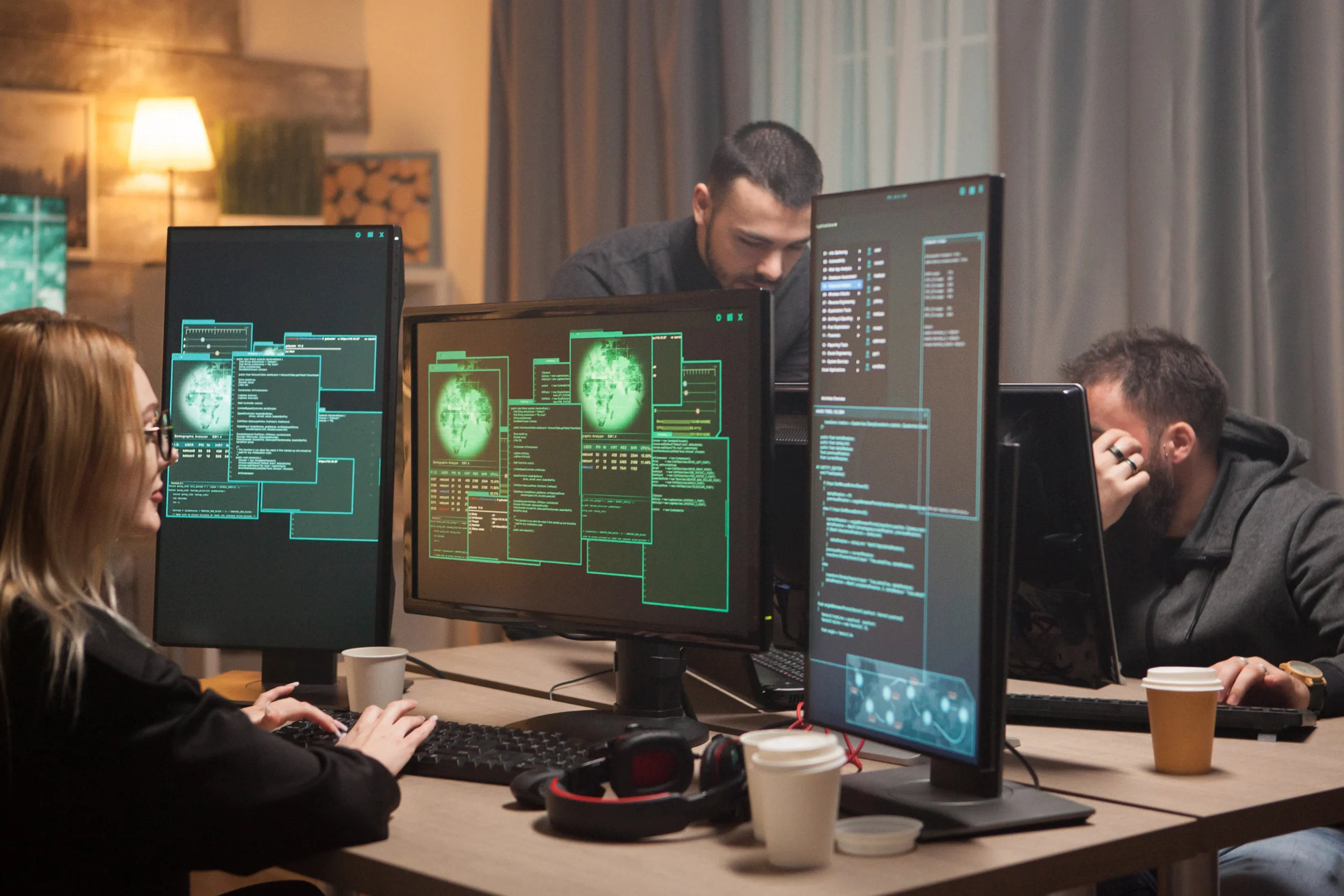
As the digital technologies develop further, cyber threats are increasing in complexity, and that is why the user must know about the most common types of risks that can be present in the online environment. Such threats are designed to exploit the system, network or human behavior weaknesses that, in most cases, lead to loss of data, financial or service interruption.
One of the most prevalent cybercrimes is phishing. In this method, spam emails or messages are sent and they are sent in a way that they appear to be sent by those people that are regarded as trusted. The point is to cheat the users into sharing information which is sensitive such as login details and banking information or personal information.
Malware is also another important form of cyber threats. It has also various types of malicious code such as viruses, worms and spywares. Infected downloads, email attachments or compromised websites can be used to maliciously install malware into a system. Once it has been inside, it can corrupt files, follow the user action or steal the useful user information without the user noticing it.
Ransom ware is a very hard and serious type of malware. Either it limits access into a system or it encrypts data and makes money to be paid to unlock their entry. This type of attack will not only impact individuals but organizations as well and may be a major pain in the operations and finances.
The other major concern that is related to the online space is the data breach case. They are evidenced when confidential information is accessed by unqualified individuals. The weak security systems or inadequate passwords could be the cause of such incidences or even by individuals who are within the organization. Among the impacts, some of them tend to encompass loss of identity, loss of money, and reputation.
Social engineering but without any mention to technical systems, is also another caused type of a cyber risk. Hackers also enlist human services to divulge personal and confidential data or engage in activities that fail to contribute to security. This can be through emails, telephone or even face-to-face.
The first step to preventing these threats is their knowledge. By keeping watch, the user can detect possible indicators of danger and avoid a risky situation. Cyber threats continue to evolve and therefore sensitization and behaviors will continue to be an important aspect in providing a safe digital environment.s, stress accumulates silently over time.
One major benefit of recreational rhythm is emotional stability. Regular breaks allow the nervous system to reset, preventing excessive stress responses. This consistency maintains a steady emotional baseline and reduces vulnerability to mood fluctuations.
Recreational rhythm also enhances productivity. Continuous work without recovery decreases efficiency and increases errors. Short, scheduled recreational intervals restore concentration and improve cognitive performance.
Another important aspect is the prevention of emotional overload. By releasing tension regularly, individuals avoid the buildup of unresolved stress that leads to burnout symptoms such as fatigue, irritability, and loss of motivation.
Social recreational rhythm further supports emotional resilience. Regular shared leisure activities strengthen relationships and provide emotional support systems that buffer stress.
Mental recreation awareness highlights flexibility within recreational rhythm. The goal is not rigid scheduling but sustainable balance that adapts to changing needs.
Ultimately, establishing a recreational rhythm transforms relaxation into a proactive strategy for long-term well-being. Consistent, intentional recreation safeguards emotional energy and prevents burnout effectively.ical well-being.